
Partnership For Digital Justice
Protecting Cultural Heritage. Advancing Digital Sovereignty. Bridging Divides Across the Globe.
Across the world, communities hold generations of knowledge, stories, traditions, records, and cultural heritage essential to our collective understanding of humanity. Yet much of this knowledge remains vulnerable to climate change, conflict, displacement, technological exclusion, institutional neglect, and the passage of time.
These challenges transcend geography and traditional distinctions between the Global North and Global South. From Indigenous Nations and historically marginalized communities in the United States to communities across Africa, Asia, Europe, Latin America, the Caribbean, and the Pacific, the need to preserve cultural knowledge and ensure equitable participation in the digital future is universal.
The digital divide is not simply a division between wealthy and developing nations. It exists within countries, across communities, between generations, and wherever people lack equitable access to technology, digital infrastructure, institutional resources, or meaningful control over their own data and knowledge.
At the same time, artificial intelligence is transforming how information is collected, interpreted, shared, and used. Yet the information informing these technologies does not adequately reflect the full diversity of human knowledge, lived experiences, languages, and cultural perspectives.
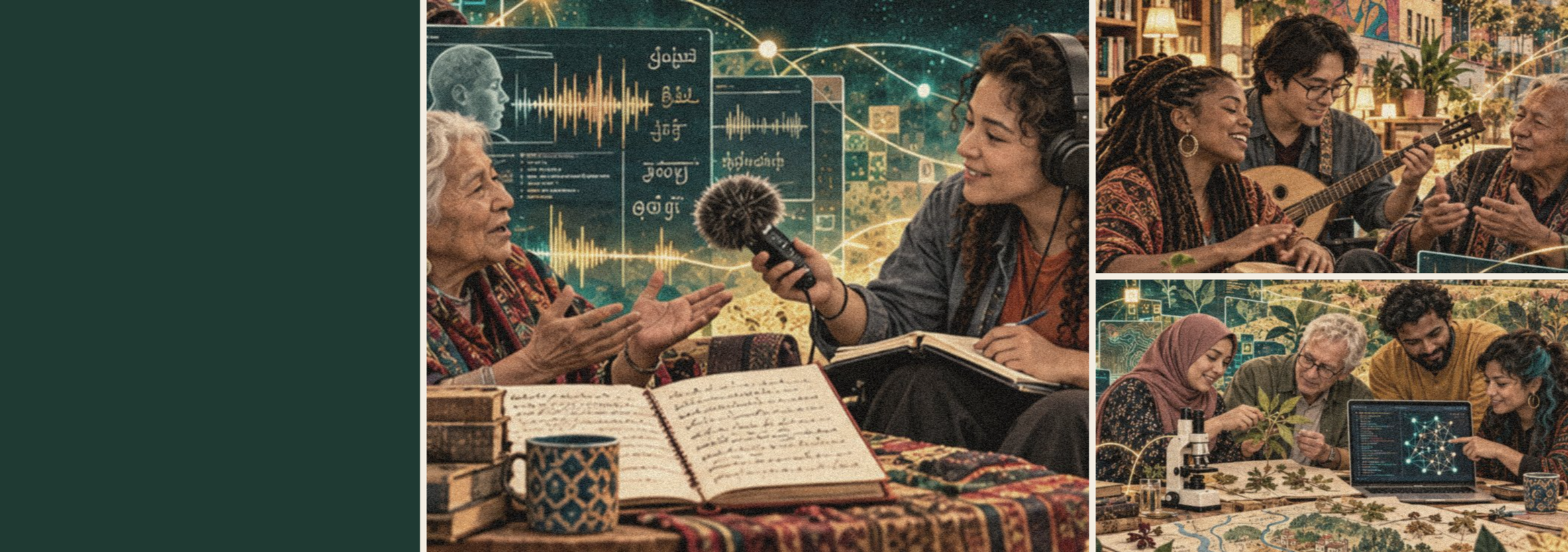
The Partnership for Digital Justice (P4DJ), powered by Pyxera Global, is a global initiative dedicated to supporting Indigenous Peoples and Local Communities in preserving, protecting, digitizing, and governing their cultural heritage, historical records, archives, languages, and traditional knowledge.
Through Pyxera Global's experience in cross-sector collaboration, community-centered development, and sustainable solutions, P4DJ seeks to connect communities, institutions, technology providers, and funding partners to advance equitable cultural preservation and responsible digital governance.
Our approach recognizes that communities are not simply sources of information. They are knowledge holders, decision-makers, and rights holders who must retain meaningful authority over how their cultural heritage is documented, accessed, interpreted, shared, and used.
Our mission is grounded in a fundamental principle: communities everywhere must have the opportunity, resources, and authority to preserve their knowledge and shape their digital futures.

Our Guiding Principles
Our work is guided by seven core principles.

Partner With Us
Building a Global Network for Digital Justice